
The article
Recently the results
of a national poll conducted by the John A. Harper foundation in order to
determine what was preventing physicians
from having conversations with patients about end of life care. The poll revealed
some of the barriers that can prevent or cause difficulty to discussion of end
of life care, which includes hospice, DNR, and living will information. 99% of
the respondents reported that they felt it was important for physicians to have
these conversations with their clients, but almost half to the doctors reported
that they felt unsure of what to say, and only 1/3 reported that they had ever
received any training on what to do or say during these conversations. The results also showed that Medicare
coverage for these end of life meetings offers incentive for the physicians to
have the conversation with their patients but only 14% of respondents had ever
billed for it and 75% said new benefits
would help to incentivize discussing end of life care. Another interesting
finding is that physicians who had been trained to discuss end of life care
were more likely to know what to say, and to find discussions about end of life
care rewarding. The press release of the
results can be found here http://www.jhartfound.org/blog/talking-with-patients-about-end-of-life-care-new-poll-reveals-how-physicians-really-feel/
The Issue
The issues of end of
life care are extremely important because these decisions will greatly impact
the patient's care received and the way that they plan out the rest of their
lives. I have known many people who were receiving treatment for diseases and disorders
and their care and interactions between themselves and the health care
professionals began to change and it was later revealed to them that their
condition was terminal. This is also something that is important as the baby
boomers continue to age, because we may end up with a very high population of
very old adults who do not have a plan that medical professionals can follow
when they are coming to the end of their lives. By changing the way that the
health care profession deals with end of life care, we can make the exchange
more comfortable for physicians and patients and increase the transparency
between doctors and patients as well as more easily allowing for clients to
begin planning for their lives and all of the aspects of their advanced care.

Service Delivery
There are currently
policies in place in order to cover discussions of end of life care. However,
the results of this poll show that these policies are not currently working.
Medicare will cover a physician to discuss end of life planning but only 15% of
doctors reported that they had ever used this code to bill for services, and
75% said that new billing policies for this would make it easier for them to
discuss end of life care with patients.
This information suggests we need to make changed to the way that this
service is billed and reimbursed.
The results of the
poll also showed that 1 in 4 doctors reported that there is no place in the
electronic health record to show if the patient even has an advanced care plan,
and that only half said that they had access to this information if they were able
to see that there is an advanced care plan. Making changes to the electronic
record could make it much easier for health care providers to know that there
is a plan and having access to the information could make it much easier for
all of the clinicians treating the client to know even more about their care
plan. By adding it to the electronic
record this could also become a standard part of the individual's care and can
help to make the conversation easier and less taboo, both the patient and the
doctor can have an understanding that making these decisions is a standard part
of care that everyone does. If end of
care planning does not becomes a standard part of care, making policies that
will require health care providers to go to classes or training sessions to be
better prepared to discuss the topics of end of life care will be important.
How can we support the creation of policy
Showing the
importance of end of life care for the proper care of the patient will help to
support the creation of policy. In addition to this the John A. Harper
foundation reported a public opinion poll about end of life planning which
showed that the public is also very unhappy with the way that these services
are being provided currently. Having both concerned members of the public as
well as physicians can make it easier to gain support through letter writing
and lobbying politicians in order to make changes to the policies that govern
these practices.
Implications for OT
Occupational
therapists can be involved in end of life care. Many Americans are opting to
live the end of their lives in the home and it may be up to the OT to provide
rehabilitation and in home care that can allow these patients to live at home
comfortably. This means that the OT will need to be knowledgeable about the
patient's advanced care directives as well as needing to have a level of
comfort and education about providing care for someone at the end of their
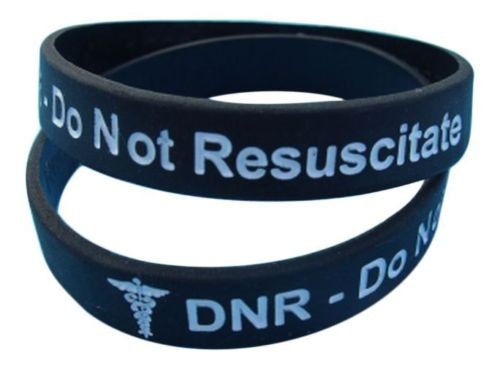
lives. The OT will also need to know what services can and cannot be provided to the individual if they have a DNR or other aspect of the advanced care plan. OTs also treat in hospice settings where these plans and directives will
be very important, though the patients in a hospice setting will most likely
already have their end of life plans in place.
